When it comes to welding, choosing the right equipment can significantly impact the quality of your work. Both MIG (Metal Inert Gas) and TIG (Tungsten Inert Gas) welders are popular among professionals and hobbyists alike. In this guide, we’ll explore the features and benefits of various welding machines, including TIG welders for aluminum and MIG welders, helping you make an informed decision.
Understanding MIG and TIG Welding
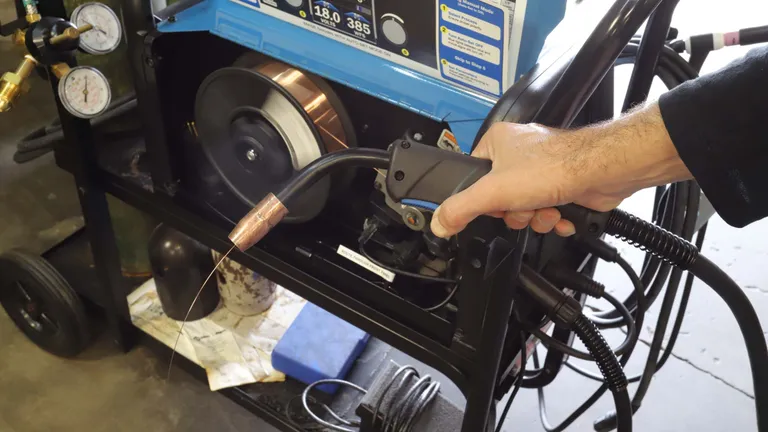
MIG welders use a continuous wire feed to produce a weld. This process is faster and typically easier for beginners to master. On the other hand, TIG welders offer greater precision, making them ideal for intricate tasks and thin materials.
The Benefits of MIG Welders
MIG welders are known for their speed and efficiency. They are perfect for various materials, including steel and aluminum. Popular brands like Miller welders provide reliable MIG welding machines suitable for both industrial and DIY projects.
Ease of Use: MIG welding is generally easier to learn than TIG welding, making it a great option for newcomers.
Versatility: With MIG welders like Hobart welders, you can work on a variety of projects, from automotive repairs to home improvement tasks.
The Advantages of TIG Welders
TIG welders are often preferred for their precision and control, especially when working with thin materials. They are best suited for:
Aluminum: When it comes to welding aluminum, TIG welders for aluminum are the gold standard. They produce clean and strong welds that are essential for structural integrity.
Fine Work: TIG welding is ideal for intricate designs and joint configurations, making it the go-to choice for many professional fabricators.
Popular TIG Welders
If you are considering TIG welders, there are several models available that cater to various needs:
Aluminum TIG welders: Specifically designed for welding aluminum, these machines offer features that enhance performance when working with this lightweight material.
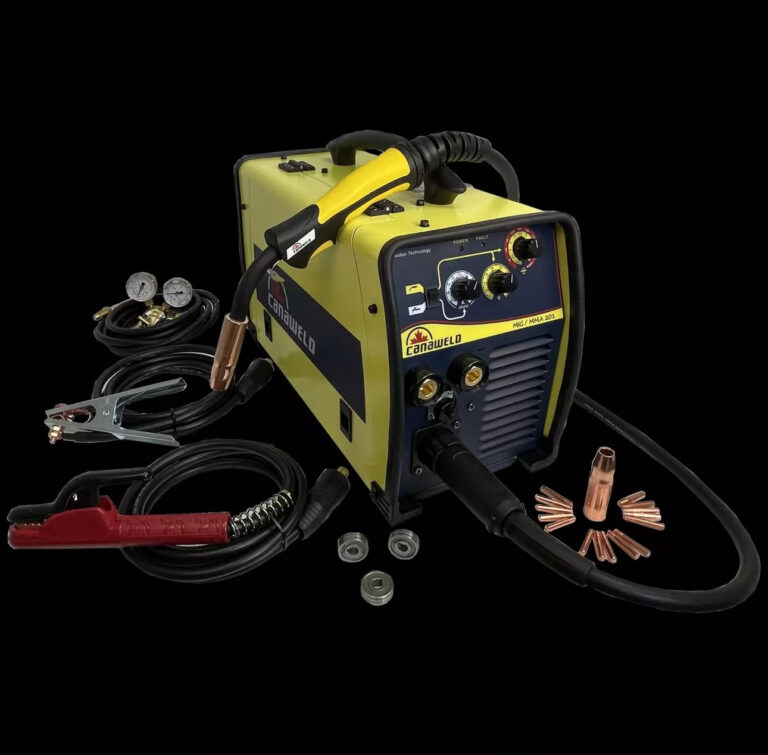
The integration of both TIG welders and MIG welders in a single machine, often referred to as a TIG welders MIG welder, allows users to switch between welding processes based on project requirements.
Choosing the Right Welder
When selecting between MIG welders and TIG welders, consider the following factors:
Material: What materials will you be working with? For aluminum, TIG welders for aluminum are essential.
Skill Level: If you’re a beginner, a MIG welder may be easier to start with, while experienced welders may prefer the precision of a TIG machine.
Applications: If you require versatility, look for a TIG welders MIG welder that allows you to perform both types of welding.
Comparison: MIG vs. TIG
Feature
MIG Welders
TIG Welders
Speed
Faster welding speed
Slower, more precise
Ease of Use
Easier for beginners
Requires more skill
Best For
General fabrication, thicker metals
Thin materials, aluminum, fine work
Common Brands
Miller, Hobart
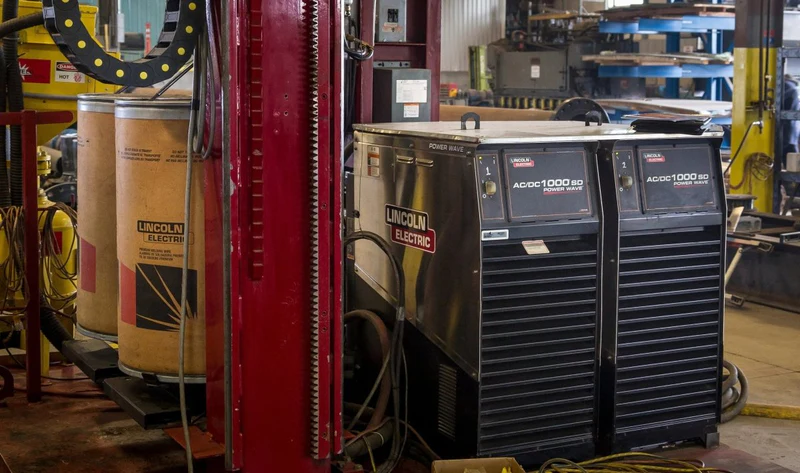
Lincoln Electric, ESAB
Conclusion
In the world of welding, both MIG and TIG welders have their unique advantages. MIG welders, with their speed and ease of use, are perfect for general tasks, while TIG welders provide the precision needed for aluminum and fine work. When choosing the best welder, consider your specific needs, materials, and skill level.
Whether you opt for Hobart welders MIG welders, Miller welders, or a specialized TIG welder for aluminum, investing in the right equipment will ensure you achieve superior results in your welding projects.
Additional Resources
To learn more about MIG and TIG welders, check out the following: